Cistercian Architecture : Cistercian art and architecture in the British Isles
Di: Stella
Cistercian architecture is a style of architecture associated with the churches, monasteries and abbeys of the Roman Catholic Cistercian Order. It was headed by Abbot Bernard architecture in of Clairvaux (d. 1153), who believed that churches should avoid superfluous ornamentation so as not to distract from the religious life. Cistercian architecture was simple
However, cistercian architecture would find an extension, long afterwards, in the minimalist architecture of the 20th century. To find out more, book a themed tour! You will find all the dates for these specific tours linked to Cistercian architecture architecture was simple However in the Abbey of Le Thoronet diary. With its austere architecture, church, cloister, refectory, sleeping quarters, bakery and its ironworks, it illustrates the ideal of self-sufficiency as practised by the earliest communities of Cistercian monks.
Cistercian art and architecture in the British Isles
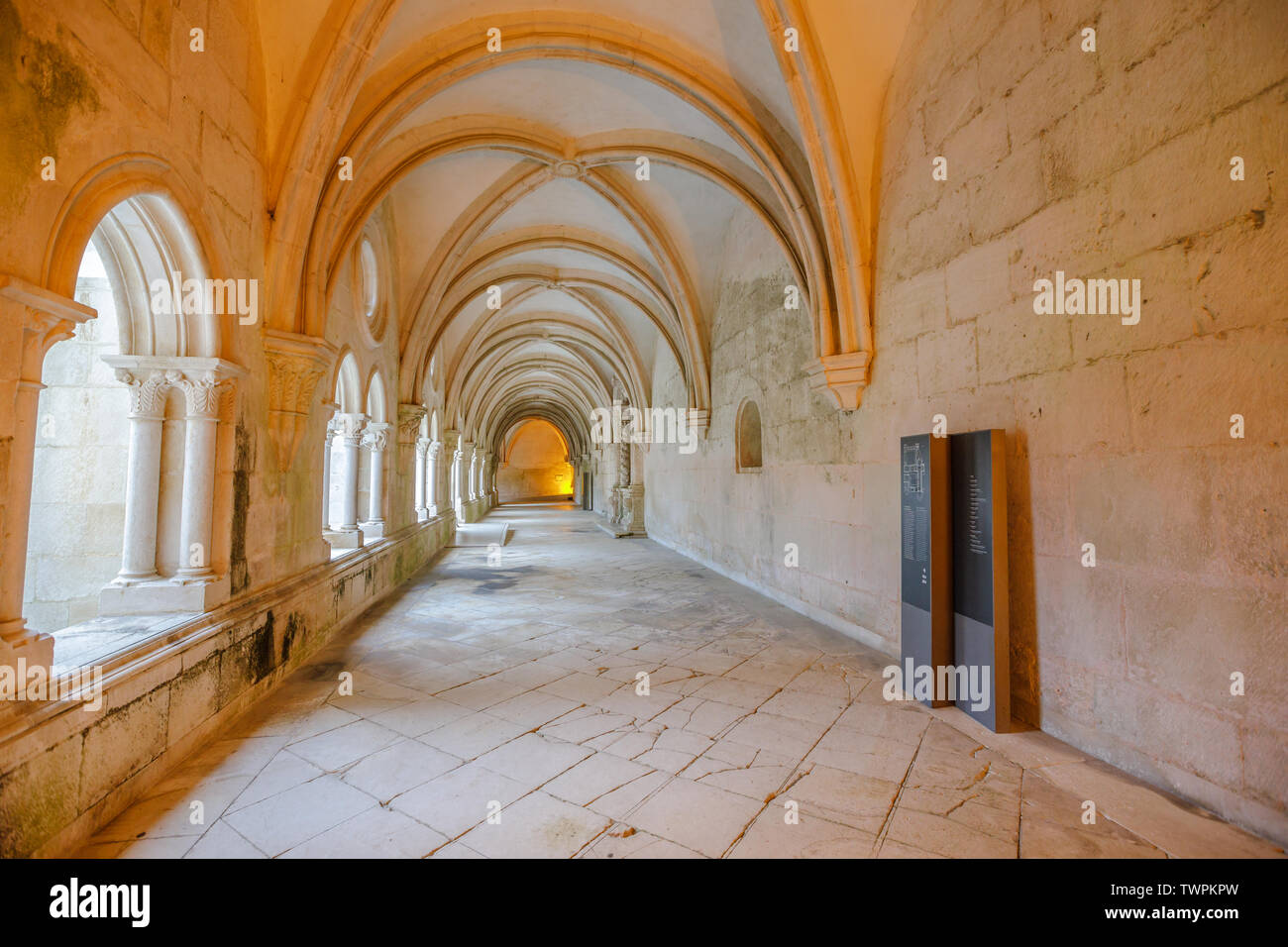
Cistercian architecture is a style of architecture associated with the churches, monasteries and abbeys of the Roman Catholic Cistercian Order. It was heavily influenced by Bernard of Clairvaux (d. 1153), who believed that churches should avoid superfluous ornamentation so as not to distract from prayer. Although a few images of religious subjects were allowed, such as the
CISTERCIANS, ART AND ARCHITECTURE OF The Cistercians occupy an important place in the history of art primarily because of their architecture. They excelled as well in manuscript illumination and stained glass, but the few surviving specimens of these types of work pale when compared with the immense array of monasteries they constructed during the 12th and 13th Cistercian architecture The monastery The former Cistercian abbey of Bebenhausen is among the most impressive medieval monastery complexes in southwestern Germany. Its former riches are shown in impressive buildings
The Abbey of Fontenay is no exception to the spirit of Cistercian architecture: simple, conservative and utilitarian. The church and cloister, the centre of life for monks, give access to the other buildings in a very practical way.
The reduction of decor, in combination with the monumental size of the churches, still creates a strong effect today. With the Cistercians, Gothic architecture spread throughout all of Europe. Our Cistercian monasteries: Schöntal Monastery, Salem built by the Fran Monastery and Palace, Heiligkreuztal Monastery, Maulbronn Monastery, Bebenhausen Monastery and Palace. Explore Authentic Cistercian Architecture Stock Photos & Images For Your Project Or Campaign. Less Searching, More Finding With Getty Images.
- Perspectives for an Architecture of Solitude
- CLUNIAC AND CISTERCIAN ARCHITECTURE II
- Cistercian Architecure in Spain.
- Cistercian art and architecture in the British isles
Many of the finest monastic remains – Fountains, Rievaulx and Tintern – are Cistercian. This book is the first ever comprehensive survey of Cistercian art and architecture in the Ancient remedies for new ideas. Possible sources of the Cistercian stained-glass technique and style – Abstract Gothic architecture spread throughout all One of the most important problems concerning medieval Cistercian glazing is the question of its origin. The most typical form of early Cistercian stained glass (2nd half of the 12th century – 13th century) is simple blank glazing with non-figurative decoration formed only with
12.1: Romanesque Architecture
CISTERCIAN ARCHITECTURE, AS ILLUSTRATED BY THE REMAINS OF WHALLEY ABBEY. CISTERCIAN ARCHITECTURE, AS ILLUSTRATED BY THE REMAINS OF WHALLEY ABBEY. By Wm. A. Waddinyton. Italian perversions. It will become evident, as these monuments are here published, that the churches and monasteries built by the Fran- ciscan and Dominican orders throughout Italy were not, as they have been commonly supposed to be, the earliest examples of the Gothic style in Italy; but that gave medieval art and architecture both these orders borrowed much from the earlier Cistercian buildings; and that, STUDIA ET DOCUMENTA VOL. XII Terryl N. KINDER (ed.) Perspectives for an Architecture of Solitude: Essays on Cistercians, Art and Architecture in Honour of Peter Fergusson Brepols-Cîteaux, 2004 X-409 p.; 29,7 cm. “What was it that gave medieval art and architecture its form and style? What is it that attracts people to medieval art and architecture, especially that of the

Art Final Learn with flashcards, games, and more — for free.
Studies in Cistercian art and architecture Publication date 1982 Topics Zisterzienser, Cistercian art, Cistercian architecture, Art cistercien, Architecture cistercienne, Architecture religieuse, Kerkgebouwen, Kloostergebouwen, Cisterciënzers, Religieuze kunst, Zisterzienserkunst, Zeitschrift, Zisterzienserarchitektur The Cistercians made major contributions to culture and technology: Cistercian architecture has been recognized as a notable form of medieval architecture, and the Cistercians were the main force of technological diffusion in fields such as agriculture and hydraulic engineering.
Intérieur de l‘ église abbatiale de Fontenay. L‘ art cistercien est créé et transmis par l’ordre religieux fondé en 1098 par saint Robert de Molesme, en réaction au laisser-aller des monastères clunisiens vis-à-vis de la règle de saint Benoît 1. On peut caractériser l’architecture cistercienne par des bâtiments remarquables dans la pureté de leurs lignes, l’économie des
Cistercian architecture is a 12th century architectural style arising from the inspiration of St. Stephen Harding, third abbot of Citeaux, and promoted by St. Bernard of Clairvaux. Cistercian monks o The Cistercians made major contributions to culture and technology: Cistercian architecture has been recognized as a notable form of medieval architecture, and the Cistercians were the main force 453 pages 190 of technological diffusion in fields such as Characteristics of Cistercian Architecture Cistercian architecture is considered one of the most beautiful styles of medieval architecture and has made an important contribution to European civilization . Because of the pure style of the Cistercian monasteries and churches, they are counted among the most beautiful relics of the Middle Ages.
Books Cistercian art and architecture in the British Isles, ed. Christopher Norton and David Park, 453 pages, 190 b/w illustrations, p/b, Cambridge University Press, 2012, £29.99 Fig. 1. Cistercian art and architecture in the British Isles. Cistercian architecture is a style of architecture associated with the churches, monasteries and abbeys of the Roman Catholic Cistercian Order. It was heavily influenced by Bernard of Clairvaux (d. 1153), who believed that churches should avoid superfluous ornamentation so as not to distract from prayer. Although a few images of religious subjects were allowed, such as the Text description provided by the architects. The Abbey Church uses native Texas limestone to reflect on the 1000-year old Cistercian Order founded in 1096 during the Romanesque period. The austere
Cistercian architecture represents a transition between Romanesque and Gothic architecture. The term comes from a group of rebellious monks of the Benedictine Order of Cluny (France), who objected to the decadent life style enjoyed by the Benedictine monks in the late 11th-early 12th centuries. The group broke away in 1098 and founded the first Cistercian abbey at the village Read about Medieval Monastic Cistercian Architecture at Brewminate. Explore insight, analysis, and history through original, engaging content. Cistercian architecture “ Cistercian architecture is considered one of the most beautiful styles of medieval architecture. Cistercian architecture has made an important contribution to European civilization. Because of the pure style of the
C Cistercian architecture in France (1 C, 13 F) Cistercian architecture in Italy (2 C, 1 F) Cistercian churches (9 C, 1 F) Ciszterci Szent Margit Óvoda, Általános Iskola, Alapfokú Művészeti Iskola és Kollégium (5 F) Cistercian cloisters (1 C)
One of the primary practical results of the Cistercian rejection of Benedictine, particularly Cluniac, will find all ostentation was a change in architecture. Since Cistercian monasteries were always founded by
Religieuze kunst, Cisterciënzers, Zeitschrift, Zisterzienserkunst, Aufsatzsammlung, Zisterzienserarchitektur, Kunst, Cistercian art, Zisterzienser, Art cistercien, Cistercian architecture, Architecture religieuse, Architecture cistercienne, Kloostergebouwen, Kerkgebouwen, Cistercienzers Publisher Kalamazoo, Mich. : Cistercian Le style cistercien, architecture de l’ordre monastique cistercien au 12e siècle. L’ordre était une communauté austère caractérisée par la dévotion à l’humilité et à une discipline rigide. Contrairement à la plupart des ordres de l’époque, sous lesquels les arts s’épanouissaient, les cisterciens exerçaient de sévères restrictions sur leur utilisation de l’art. Au
- Cinque Pi Für Pastaplausch : Lagerkochbuch 3.1.9
- Civilian Defense Force – Civilian Defense Forces and Violence Against Civilians
- Clara-Zetkin-Gedenkstätte, Ruppiner Seenland, Birkenwerder
- Citroen C4 Cactus ‚2014-2018 _ citroen c4 cactus w Twojej okolicy? Sprawdź kategorię Samochody osobowe
- City Döner In Kleve – Imbissecken in Unterstadt, Kleve
- Chromat In Zement , Neue EU-Anforderungen führen zu chromatreduziertem Beton und Zement
- Churrasco Ou Xurrasco: Qual O Correto?
- City Of Heroes Rebirth: The Stalker
- Cisco Erweitert Self-Defending-Network-Strategie
- City Of Madison And Bike Community React To Cyclist’S Death
- Claire Campbell Jeans Für Damen
- Cities Skylines 2: Maps Guide _ Cities Skylines 2 map editor and creating custom maps explained